















How Does Specialized Housing Improve Outcomes for Pregnant Women?


Pregnancy can be a vulnerable time in a womans life, especially when compounded by unstable housing, lack of support, or limited access to care. If expectant mothers do not have a home or who are facing difficult conditions of living, the dangers to infant and mother health can be significantly elevated. The special housing available is available for mothers who are expecting. It provides secure and safe space that provides not just physically sheltering but also emotional as well as educational demands. With a structured approach to support and communication programs, pregnant housing could result in life-changing results for moms and babies.
The Importance of Stable Housing During Pregnancy
A secure home is the base for mental and physical health. Particularly for pregnant women, people fleeing domestic violence, suffering from poverty or being homeless, the lack of a protected space may lead to prolonged stress, insufficient health care during pregnancy, and unhealthy pregnancy. Pregnancy homes that are specially designed for pregnant women provide the mothers with a safe space to take a break, get proper nutrition as well as attend regularly scheduled sessions for prenatal care. The foundational support helps reduce chances of labor that is premature and low birth weight as well as other issues.
Additionally, safe housing reduces the chance of mothers turning to risky alternatives like staying in shelters that are not intended for mother health, or couch surfing or returning to dangerous situations. If they have a consistent home, they are able to concentrate on their wellbeing and plan for the arrival of their baby in a safe environment.
Emotional Support and Community Connection
Even in the most ideal conditions is emotionally draining. Women experiencing it in isolation--especially when compounded by trauma or poverty--are more susceptible to depression, anxiety, and feelings of abandonment. Particularly designed housing typically incorporates the support of peers and emotional issues into the structure of the house which creates a supportive social network where women are able to share their stories, gain knowledge from others, and form connections that help reduce loneliness.
The programs for communication and relationships in these environments provide interpersonal training such as conflict resolution and good communication practices. These are essential to women who might be in relationships that have been problematic prior to their time, helping to build a stronger network of friends and prepare them to take on the roles of motherhood.
Access to Prenatal and Health Services
One of the biggest benefits of housing for pregnant women is continuous access to medical treatment. A lot of programs collaborate with health clinics or other professionals to make sure that residents get regular check-ups as well as prenatal vitamins and health checks. Regular and timely prenatal care will identify problems early and enhance outcomes for the mother as well as the child.
In addition, psychotherapy and recovery programs for substance abuse as well as nutrition counseling are often provided. They are designed to meet the needs specific to expecting mothers and lead to better physical and mental well-being. Health education classes regularly offered help women make educated choices about their bodies as well as births, which can lead to better prepared and confident mothers.
Education and Skill Building for Long-Term Independence
The specialization of pregnant homes usually goes well beyond the immediate need for shelter and aims to prepare residents for the life that will follow childbirth. It provides the opportunity to learn, employment preparation training as well as financial literacy and parenting seminars. The programs are designed to help mothers break the cycle of dependency and poverty.
Learning how to control budgets, get job opportunities, or to continue their education, women become provided with the necessary tools to get a job and provide for the family they have. In addition, the communication and relationships programs can also help women with creating healthy boundaries and supporting networks, which are crucial to long-term success as well as being emotionally resilient.
These skill-building programs do more than just empower mothers as well as create ripple effects. Children born into well-educated, stable and empowering households tend to do more emotionally and develop better.
Preparing for Motherhood Through Structure and Routine
A further benefit associated with specific housing is the development of order and routine. As opposed to the chaos of homelessness or unstable dwelling, housing for pregnant women generally provides scheduled food, wellness check-ups along with classes and individual time. These routines help women find the sense of control and stability during this transformative phase of their lives.
They also demonstrate how healthy, stable and secure family environments should look like which is particularly helpful to women who didn't get to experience those types of environments as children. The ability to manage a timetable to balance the demands of a job and take time to pamper yourself helps build resilience and prepare for the demands of motherhood.
A Safer Start for Infants
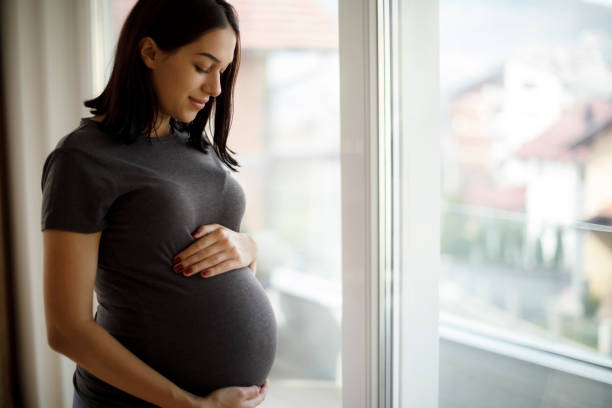
One of the biggest effects of special housing is the children themselves. Children born to mothers who live in safe, stable homes tend to arrive full-term having healthy weights at birth as well as stronger development starts. Women who receive the best prenatal care, healthy food and emotional care can provide loving care for their babies in the beginning years of their lives.
Secure housing also implies children are not vulnerable to dangers that come in unstable shelters and overcrowded dangerous environments. Early exposure to a safe and calm environment supports emotional, cognitive and physical growth in tangible ways.
Conclusion
A specialization in pregnant housing goes further than providing a shelter over the head of a woman. It offers a place where change can be achieved. With the help of physical safety as well as emotional and health care as well as education and skills-building These programs meet the many needs of expecting mothers. Not just a quick solution, they create the foundation for long-term success and wellbeing for the mother and her child. By accessing organized programs that include the support for communication and relationships, women are empowered as well as informed and able to take on motherhood and everyday life in confidence.
FAQs
What exactly is pregnant housing, and who are they for?
Pregnant housing is a term used to describe housing programs in residential settings that offer shelter and assistance to pregnant women and those suffering from domestic violence, homelessness or insecure housing. The programs are created to cater for the specific demands of pregnant mothers and aid them in the prenatal and the early stages of parenting.
What are the ways that communication and relationship programs help expecting mothers?
These courses, often part of communication & relationships programs, teach vital abilities like good communication, conflict resolution, and emotional intelligence. They assist women in building healthier relationships in their personal lives, becoming more successful parents, and improving their overall psychological and social well-being.
Are women able to stay in a pregnant-friendly housing unit following the babies?
In most instances, it is possible. A few housing programs specifically designed for pregnant women permit mothers to remain with their infants during a specific time period following birth, which allows them to adjust, bond as well as participate in parenting courses in the meantime they are working to secure an independent home.
What are the long-term advantages pregnant housing brings?
Women who are part of pregnant housing programs usually experience improved overall health, stable housing conditions, and greater independence. The children of these women also enjoy more secure early childhood environments, constant treatment, and a more solid developmental base.