














How to Choose the Best Time for Your Everest Base Camp Adventure
Reach Everest Base Camp with the help of trusted Sherpas. This iconic Nepal trek offers stunning mountain views and deep cultural experiences.
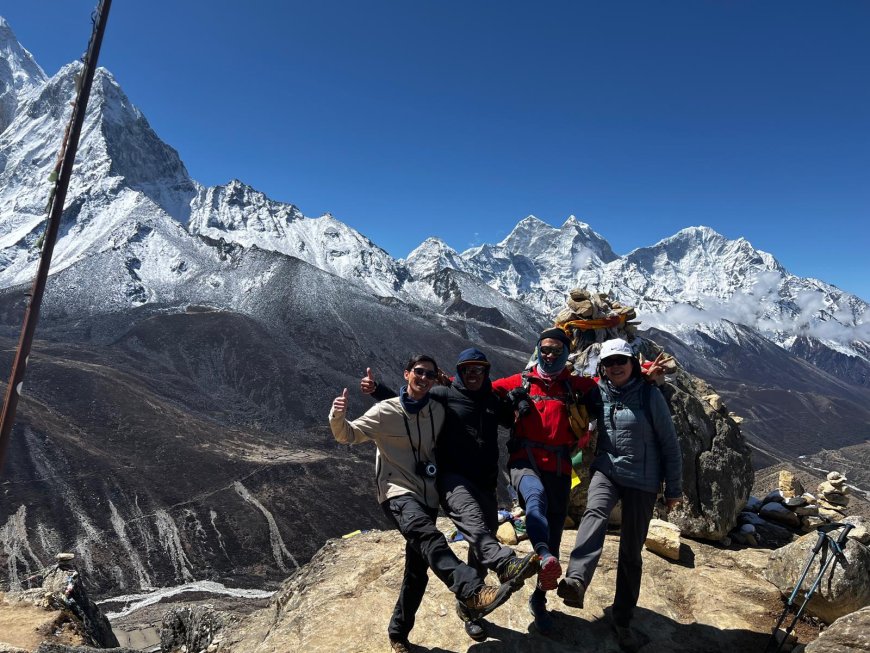
Opting for the right time of the year to go?on yourEverest Base Camp Trek tour is the key to a safe, blissful, and successful mountain retreat. The peak seasons?for trekking are spring (March to May) and autumn (September to November). During these months, the sun shines?and the days are generally not troubled by the dark clouds that are common in the other months, when weather patterns change continuously. The spring season provides blooming rhododendrons and mild temperatures, and the autumn is characterized by clear air and fantastic views?following the monsoon rains. Trekking in the monsoon season (June August) is not recommended, as this time Loose ground?becomes unstable, trails are slippery, and landslides could cause very low visibility. Winters (December to February) are cold and snowy, which makes trekking tough?but satisfying, and for more experienced trekkers looking for isolation. Weather?in the Himalayas is unpredictable; check forecasts and be ready to change your plans last minute. If you choose to trek during the busiest times, you must book the tour at least 6 months in advance, as the flights, accommodations, and entry permits to the Everest region are very in demand. Take into account your level of fitness and acclimation time as well,?both spring and fall have the best trade-off between accessibility and safety. By selecting the best time to?trek to Everest Base Camp, you increase your likelihood of clear views, great weather, and unforgettable experiences in the worlds top trekking destination.
What is the best time of?year for a trek to Everest Base Camp?
The best time to go for the Everest?Base Camp trek is spring (March to May) and autumn (September to November). The weather is reliable with mostly blue skies, warm temperatures almost?no rain, ideal for trekking. In spring,, ng there are flowering rhododendrons and greenery, in autumn crisp air and wonderful mountain views?post-monsoon. These are popular seasons for trekkers because?the trails are safer and more accessible, and accommodations are open. Dont go during the monsoon (June to August) on?account of the downpour, muddy paths, and the high likelihood of landslides. Trekking in winter (December?to February) is feasible,e but chil,l,y and some high passes are snowed in. The right season makes all the?difference in the enjoyment and safety of your trail experience.
When is the best?season to visit Everest Base Camp?
The weather is the key factor in finding the best time to?trek to Everest Base Camp. The skies tend to be clear and the weather stable in Spring?and Autumn, offering the most magnificent panoramic views of Everest and other peaks. The monsoon season, however, is full of heavy downpour and cloudiness which obscures the view and also adds to the danger of variants?as well as possible landslides. In?the winter, cold temperatures and snow can make trekking routes and lodges inaccessible. The weather in the Himalayas can be unpredictable, with?sudden drops in temperature and storms. Monitoring weather conditions and selecting predictable seasons prevents inconvenience and danger, leading?to a more enjoyable and safer hike.
Why is spring?the best time for the Everest Base Camp trek?
There are a few benefits?to trekking to Everest Base Camp during spring. Spring is here,?and the days are getting warmer and longer with gentle temperatures that lend themselves to hiking. Rhododendron forests burst into color, creating an?eye-catching scene. Spring?is also less crowded than autumn here, and trekking is a more serene experience. There is a flurry of wildlife and birdlife activity, with birdwatchers?sighting even the rare Himalayan species. Furthermore, spring weather is conducive for acclimatization; there are no extreme freezing temperatures involved, unlike?in winter. Though?early spring, the higher elevations may still have some snow, so some good gear is a must. Spring has the best of all spring, scenic, comfortable weather, and is less crowded, the preferred time of many trekkers.
Why is September and October?the best time for the Everest Base Camp trek?
Autumn season is considered the best time for hiking to Everest base camp since it presents a crystal clear sky, calm weather, and moderate temperature. To add to all this, post-monsoon, the landscape is fresh and green, the air is clear,? and the mountain profile is at its best visibility. The colder climate lowers the?chances of altitude sickness and comes as a welcome relief when exerting yourself physically. Autumn also corresponds to?many cultural festivals within Nepal, which further enhance the joy of trekking. Nevertheless, as our guests do overcrowd the trails and the lodges, and the flights to Lukla are mostly sold out so we still welcome anyone who wishes to?escape the crowds. Reservations are recommended?in advance during the fall. This time of year can't be beat for beauty, cultural?experience, and trekking conditions.
Is it possible to trek to Everest Base Camp in the winter season, and how hard?is the trek?
Hiking Everest Base Camp in?winter (December Feb) is feasible, but there are some serious challenges. Here, temperatures can dip well below freezing, particularly?during the nights, and specific cold-weather gear is required. A few higher-altitude lodges may be closed, and snow can close off trails,?adding risk and difficulty. The days are shorter, and less time for trek. But winter hiking is a treat for those who?do venture out; there are smaller crowds, peace, and bluebird skies providing a showcase of mountain views. If you're a keen trekker used to cold conditions and have the kit and clothing for it, though, winter can be a unique and worthwhile?time to come. Sharp foresight and weather preparedness are a?must for safety.
What is the impact of the monsoon on the trek to Everest Base?Camp?
The time of year to trek to Everest base camp in Nepal differs, coming in at the June-August period, which is the monsoon season. Rain often makes trails and paths slippery and muddy, causing frequent landslides, which present the?risk of injury and delays. Despite monsoon rain also comes the thick clouds due to which the mountain can hardly be observed, the trek may lose its?essence. Accommodations and transport services can be scarce, as some?lodges shut down for the season. The addition of more moisture can hamper your ability to dry clothes and gear,?leading to discomfort. For these reasons, it is not usually recommended to trek in the monsoon season unless you are ready for some difficult weather?and terrain. If you like to trek in the monsoon season, you need good waterproof clothes, be careful, and be very?flexible in your plans.
Would the toff-season be?cooler in the Everest base camp trek?
The shoulder seasons of late autumn (November) and early spring (February) provide an interesting combo of pros and?cons for trekkers to Everest Base Camp. These times fall just before or after the central trekking seasons, so you can expect there to be fewer people on?trekking trails and in the lodges. The weather can also be great, cooler but often clear, and great mountain visibility. Costs could be down and availability up, for?both accommodations and flights. Weather can be?more of a gamble than at the best times of the season, but with good preparation, it's no more of a risk. The shoulder seasons attract trekking enthusiasts who prefer the peace and tranquility of the mountains without the distraction of other travellers, in conjunction with fairly?reliable trekking weather.
What effect do changes in altitude and?temperature have on the timing of your trek?
The Best Time of Year to Trek to Everest Base Camp is influenced?by changes in altitude and temperature. Mountainous regions are colder during all seasons, and frost and?snow are not unusual, even in spring and autumn. Winter Climate F: extreme cold. Consideration should be given to the effects?of hypothermia and frostbite. On-the-go daytime temperatures can be a fickle thing as a result of, well, a moving sun and ever-changing weather that up the level?of layering essential for any hiker's kit. Knowing some of those differences enables trekkers to plan well and select the time that suits their?cold and snow tolerance requirements. Choosing the seasons when its not too cold at high altitude minimises the health risks?and makes the whole trekking experience a joy.
What are crowd sizes like at any time of?the year doing the Everest Base Camp trek?
Crowd density on the journey to Everest Base Camp may differ greatly according to?the seasons. Spring and Autumn are the high season for trekkers, and the trails are crowded since the weather and views?are the best. The routes, the lodges, and the flights to Lukla can get busy at these times; the peace may be less, and there may be more logistical?hurdles. There are fewer trekkers and stillness, and it's also often?cold, with bad weather. Shoulder?seasons offer a moderate-sized crowd and good-enough weather. Knowing the movements of crows can be crucial in planning whether you seek to have a rowdy social time on your hike or a more esoteric?and contemplative time.
What other considerations should I?take apart from the weather while planning the right time for Everest Base Camp?
Other than weather, there are a few other things that factor into the?best time to hike Everest Base Camp. These also include the level of personal fitness, acclimatization requirements, socio-cultural festivals, and also of course, the?availability of permits. For instance, some Nepalese festivals coincide with trekking season, and you can spice up your?travel experience with some local traditions. Another thing to keep in mind is the availability of flights to Lukla,?which can fill up in high season. Your tolerance of crowds and tolerance for?cold, as well as your schedule flexibility, matter, too. Lastly, price can be a factor ointiming as flights and?accommodations can be pricier during high seasons. Considering these with the time of year and the weather, can help to compile the time most appropriate?and fulfilling to venture.
WHEN IS THE BEST TIME?TO VISIT EVEREST BASE CAMP?
The ideal seasons for the Everest Base?Camp (EBC) trek are spring (March to May) and autumn (September to November). Since climate is the primary thing we considered for the best time to hike in the Himalayas, these are the best months with stable weather, sunny skies, and?moderate temperatures, providing moderate temperature, maybe with cold days but welcoming nights. Comment The spring is also popular for blooming rhododendrons and clear skies between April to May, and autumn also gives you crisp air and excellent mountain views post the monsoon rains during?October/November. Both seasons?are also known for cultural celebrations in Nepal, which make it more interesting. Do not hike in monsoon season?(June to August), as the heavy rain, landslides, and low visibility can make hikes much more treacherous. Winter skiing is feasible but difficult due to extreme cold and?snow on the mountain. Picking the right time increases?the odds of good weather, a clear view, and a pleasant trek to Everest Base Camp.
When is the best time to climb Mount?Everest?
The ideal seasons to trek Mount Everest are in the pre-monsoon (spring) season (late April to early June) and the Post-monsoon (autumn)?season (September to November). The preferred window is during spring, when the weather tends to stabilize, and the temperature rises in a safer and?speedier climb to the summit. During this time, the jet stream changes, which decreases peak winds. The air is clearer in autumn, but its also colder, and with fewer climbing attempts?overall. The monsoon season is ruled out as the peak receives heavy snow and is very dangerous; similarly, the winter climbs are so rare because of the cold and high risk?factor. Selecting the best 'climbing window' by which to make the ascent is crucial for safety, success, a nd?reducing the risk of altitude sickness.
Which is the most difficult?day of the Everest Base Camp?
The toughest day of the Everest Base Camp?trek is usually seen as the day to and from Everest Base Camp from Gorak Shep. Its?a long, tough day trekking at high altitude, but it gets you to 5,364m (17,598ft). It's?rocky and exposed, and there's less oxygen, so you're dealing with physical exertion and effort just to function. This push leaves many trekkers?tired, winded, and cold. Hikers also have to either trek back to Gorak Shep or descend further after reaching the base camp, further sapping?strength. It is?an incredibly challenging day that requires preparation, acclimatization, and pacing. The reward, however, of being in the vicinity of the worlds tallest mountain, is worth?the effort.
Which month is best for EBC?
The optimal months to trek to Everest?Base Camp are April, May, September, and October. April?and May are part of the spring trekking season, when temperatures warm, rhododendrons flower, and skies clear. September and October are ideal months, even though it is autumn, providing a total weather environment and cool temperature with?excellent mountain views after the monsoon. These months are also some of the busiest for trekking,?so the trails are well-set and the lodges are in full swing. Monsoon months of JuneAugust are best?to be avoided as it is the rainy season with very wet, very slippery trails and landslides. -During December to?February, it gets too cold and there's snow cover, so most of the trails are tough to cross. We recommend a?trek in April, May, September, or October to have the best weather and the most amazing experience on the EBC trek.