













Plastic Tape vs Gummed Paper Tape: What’s Better for the Planet (and Business)?


Tape is one of the most overlooked parts of a companys packaging process. While significant attention goes to boxes, cushioning, and branding, tape decisions often default to whats familiarusually plastic. But as sustainability becomes a top priority across industries, many businesses ask: Is gummed paper tape a better option?
If you're wondering how paper tape performs compared to plastic, how recyclable it is, and whether its worth the switch operationally, this article has clear answers. We break down material differences, environmental impact, packaging performance, cost factors, and when gummed paper tape makes the most sense.
What Is Gummed Paper Tape?
Gummed paper tape (water-activated or WAT) is made from kraft paper and a plant-based adhesive that activates when moistened. Once applied, the tape bonds to the surface of a cardboard box, creating a strong, tamper-evident seal.
Unlike plastic pressure-sensitive tape (PST), which sits on the box surface, gummed paper tape penetrates the cardboard fibers. This makes it highly durable, especially for heavy packages, high-value items, or rough shipping conditions.
What Is Plastic Tape?
Plastic tape is usually made from polypropylene or PVC with an acrylic or rubber adhesive. Its pressure-sensitive, which sticks when pressed onto a surfaceno water is needed. It's widely used because its cheap, easy to apply, and familiar to most packing teams.
However, it has limitations: it doesnt bond as strongly to recycled cardboard, requires multiple strips to seal heavy boxes, and is typically not curbside recyclable unless separated from the box (which rarely happens).
Side-by-Side Comparison: Gummed Paper Tape vs Plastic Tape
Understanding the key differences between gummed paper and plastic tape helps businesses choose the right solution. The table below outlines the performance, material, and usage aspects of both.
|
Feature |
Gummed Paper Tape |
Plastic Tape |
|
Material |
Kraft paper + water-based adhesive |
Polypropylene or PVC plastic |
|
Recyclability |
Fully recyclable with the cardboard box |
Must be removed to recycle the box (often isnt) |
|
Seal Strength |
Strong bond; penetrates box fibers |
Surface-level adhesion |
|
Security |
Tamper-evident; shows damage if cut or lifted |
Can be peeled and reapplied without clear evidence |
|
Application |
Requires a water-activated tape dispenser |
Can be applied manually or with a handheld dispenser |
|
Climate Resistance |
Strong performance in hot, cold, or humid conditions |
Adhesive may weaken in extreme temperatures or damp environments |
|
Aesthetic |
Clean, uniform look; easy to brand with print |
Shiny, often wrinkled finish; limited branding |
|
Noise Level |
Quiet application |
Often noisy when dispensing |
|
Cost per roll |
Higher per roll, but fewer strips needed |
Cheaper per roll but higher usage volume |
Environmental Impact: Why Paper Tape Wins
Tape choice affects recyclability, material sourcing, and packaging waste. This section breaks down how paper-based options align better with circular packaging practices.
1. Recyclability
When using gummed paper tape, theres no need to strip it off before recycling. The entire boxwith tape intactgoes straight into the bin. Plastic tape contaminates recycling streams unless removed, which most consumers dont do.
2. Materials Used
Gummed tape is made from renewable resources (paper and plant glue), while plastic tape uses petroleum-based materials. The difference in carbon footprint adds up over thousands of packages.
3. Waste Reduction
Since gummed paper tape seals with a single strip (even on heavy-duty cartons), you use less tape overall. Many teams report a 5060% reduction in tape use compared to plastic.
4. Customer Perception
Packaging is one of the first touchpoints customers notice as sustainability becomes a purchasing factor. Paper tape sends a clear, consistent message: this business cares about its impact.
Operational Advantages for Businesses
Beyond environmental factors, gummed paper tape offers functional advantages in sealing strength, tamper evidence, and overall packaging efficiency.
1. Fewer Strips, Less Waste
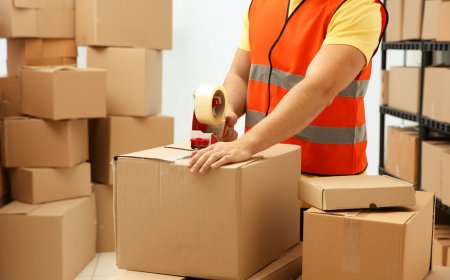
One properly applied strip of gummed tape across the seam is enough for most boxes. In contrast, plastic tape often requires two or three overlapping strips, plus side tabs, especially for heavier loads.
2. Tamper Evidence
The cardboard fiber tears if a box sealed with gummed paper tape is opened. This makes tampering or unauthorized access immediately visibleideal for fulfillment centers shipping electronics, fashion, or high-value products.
3. Better Bonding to Recycled Cartons
Recycled cardboard has more dust and less surface grip. Plastic tape often struggles to hold firmly, especially in high-humidity settings. Gummed tape, bonding into the fiber, ensures a secure seal even on lower-grade boards.
4. Cleaner Branding
Paper tape can be custom-printed with logos or instructions. It lies flat and presents a clean, matte finish. Plastic tape can wrinkle, tear, or distort during application, leading to a messy unboxing experience.
Addressing the Cost Question
Yes, gummed paper tape has a higher upfront cost per roll. However, the total packaging cost involves more than material pricing. Here's why the switch often balances out:
-
Less tape per box = fewer rolls used per month
-
Faster sealing with water-activated dispensers = labor time savings
-
Lower return rates due to better seals
-
Improved customer satisfaction = better reviews, fewer complaints
-
No removal of tape for recycling = reduced packaging waste disposal costs
When these factors are considered, businesses often find that the total cost of ownership either matches or beats plastic tape over time.
Who Should Consider Switching to Gummed Paper Tape?
Specific industries benefit more from gummed paper tape due to volume, climate, or brand goals. This section outlines which types of businesses may benefit most from making the switch.
-
E-commerce and D2C brands
Offering eco-conscious products or seeking to reduce their carbon footprint
-
Warehouses shipping heavy boxes
With high-volume shipments, especially those over 10 kg
-
Fulfillment centers with branding goals
Where packaging is part of the customer experience
-
Companies shipping in humid or cold environments
Where plastic tape adhesives often weaken
-
Any business with sustainability mandates
Looking to remove single-use plastic from their supply chain
Final Thoughts
When evaluating plastic tape vs. gummed paper tape, both functionally seal packages, but paper tape's long-term business and environmental impact is significantly better. As more brands commit to sustainable operations, small changes like switching to gummed paper tape create measurable benefits: better recycling, improved pack-out appearance, and stronger box integrity.
Looking to make the switch?Packmile helps businesses transition to sustainable packaging solutions like gummed paper tape, with the tools, training, and supply support to ensure your operation stays efficient and eco-friendly. Contact the Packmile team for tailored guidance and fast rollout support.