















Thermal Mass Modeling in Dubai’s Climate-Responsive Housing Design
Model making in Dubai is evolving rapidly, especially for climate-responsive residential zones. One critical aspect of this evolution is the integration of thermal mass studies into the physical and digital modeling process.

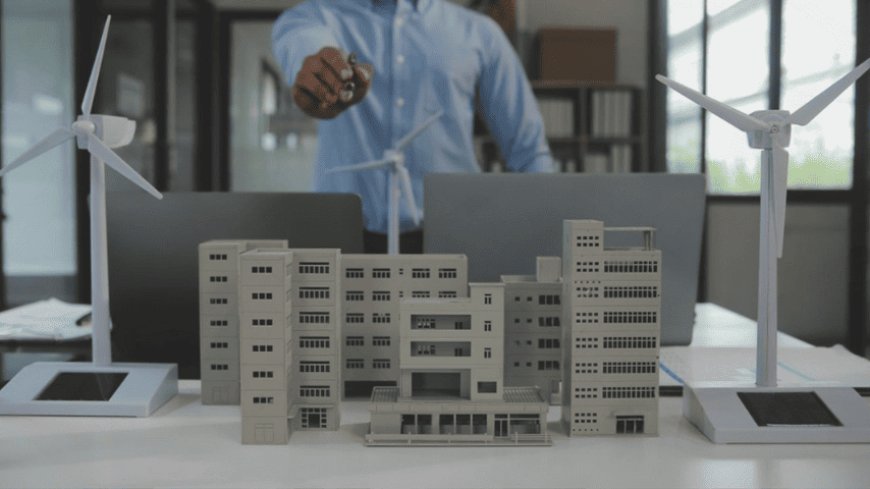
Model making in Dubai is evolving rapidly, especially for climate-responsive residential zones. One critical aspect of this evolution is the integration of thermal mass studies into the physical and digital modeling process.
Thermal mass is a buildings ability to absorb, store, and release heat. In Dubais desert climate, this plays a vital role in energy efficiency and indoor comfort. Using scale models to study thermal mass allows designers to test, visualize, and refine passive cooling strategies before construction begins.
Understanding Thermal Mass in Dubais Climate
Dubai experiences extreme heat for most of the year. High solar radiation and low humidity are defining features. Thermal mass helps regulate indoor temperatures by absorbing heat during the day and releasing it at night. Concrete, brick, and stone are materials with high thermal mass. These materials delay heat transfer, reducing the need for artificial cooling.
In a climate-responsive residential zone, the goal is to design homes that remain cooler for longer. Thermal mass modeling allows architects to test different materials and configurations. It helps in understanding how walls, floors, and roofs behave under solar exposure.
The Role of Physical Scale Models
Physical model making in Dubai for thermal mass testing involves using small-scale representations of homes or entire residential zones. These models are crafted from materials that replicate the thermal behavior of real building components. Often, designers use materials with similar heat conductivity and density to simulate real-world conditions.
Modelers may install miniature temperature sensors inside the scale models. These sensors track temperature fluctuations throughout the day. They are exposed to artificial lighting that simulates Dubais sunlight. This setup helps monitor how heat travels through the structure. By comparing models with different materials or wall thicknesses, experts can determine which configurations perform best.
Digital Tools Enhance Accuracy
Digital model making also plays a critical role. Software such as Rhino, Grasshopper, and EnergyPlus is used to simulate heat movement. These tools allow designers to create parametric models. They can input different values for material density, thickness, and solar angles. The software runs heat transfer simulations over time. This helps predict how each design performs throughout the year.
In Dubai, integrating thermal simulation into digital model making has become a standard. These digital models guide the development of physical models. They ensure that physical models are optimized for specific design hypotheses.
Thermal Zones and Building Orientation
One of the key advantages of thermal mass studies in model making is optimizing building orientation. In climate-responsive zones, the layout of buildings must reduce heat gain. Models allow designers to test different orientations. They examine how solar angles affect walls and windows at various times of the day.
By rotating the model or modifying the site layout, designers can identify the most energy-efficient configuration. This also helps in locating green areas, shading devices, and passive ventilation zones.
Material Experimentation Through Models
In Dubai, sustainability is a growing concern. Model making for thermal mass studies also supports the testing of new eco-materials. For instance, rammed earth, aerated concrete, or recycled bricks are gaining attention. These materials offer thermal mass benefits with lower environmental impact.
Models allow designers to see how these materials behave in real-life scenarios. Temperature probes embedded in models give accurate feedback. This testing process makes it easier to propose these materials in actual construction.
Helping Developers and Regulators Visualize Performance
One reason model making in Dubai for thermal mass analysis is so valued is because it bridges the gap between technical data and stakeholder understanding. Developers, urban planners, and regulators may not always interpret thermal simulation graphs. However, a physical model with thermal sensors, digital overlays, and interactive feedback offers clear and convincing proof.
This visual storytelling helps gain approvals faster. It also promotes buy-in for climate-resilient strategies. When a model can demonstrate how indoor temperatures stay cooler with minimal mechanical cooling, it supports regulatory compliance and public awareness.
Integration With Passive Cooling Techniques
Thermal mass works best when combined with passive cooling methods. These include cross-ventilation, shading, and evaporative cooling. Model making in Dubai often incorporates these systems. Moving components like louvers, window openings, or shaded courtyards can be embedded into the model.
By using solar lamps, fans, and misting units, designers simulate real environmental conditions. This helps test how different strategies work together. For example, a thermal mass wall paired with a shaded courtyard may perform better than thermal mass alone.
Educational and Collaborative Value
Model making also has strong educational value. Universities, research labs, and design studios in Dubai use it to train the next generation of climate-resilient architects. Through hands-on thermal mass studies, students learn how climate affects material behavior. Collaborative workshops use models to solve real challenges faced by Dubais urban zones.
Conclusion
Model making Dubai for climate-responsive residential zone is a vital step in building sustainable living spaces. It integrates thermal mass studies in a practical, visual, and measurable way. Both physical and digital models help architects refine passive cooling strategies.
They also support collaboration between designers, regulators, and stakeholders. In Dubais harsh climate, using models to study thermal mass is not just a design toolit is a necessity. As sustainable building becomes more urgent, the role of model making will only grow in shaping a livable, efficient future.