
















How Lifeguards Perform Water Rescues in Emergency Situations
Lifeguards certified by the American Lifeguard Association undergo a comprehensive training curriculum that blends sport-level conditioning, first aid, CPR, and scenario-based rescue practice.

A Look at Heroism, Skill, and the American Lifeguard Standard
When the sun is high and beaches are teeming with swimmers, there's a silent force of security standing watch: lifeguards. These men and women are more than just fit bodies in red swimsuitsthey are highly trained responders, capable of turning panic into rescue within seconds. In the world of aquatic safety, few names command as much respect as the American Lifeguard Association (ALA). Known for its rigorous training programs and commitment to excellence, ALA equips lifeguards with the physical and psychological tools they need to handle life-and-death situations.
In this article, well dive into the step-by-step process lifeguards follow during water rescues, spotlight the athleticism required in such roles, and explore how the American Lifeguard Association shapes the future of lifesaving sport and service.
Preparation is the First Rescue
A successful rescue doesnt start when someone is drowningit starts long before that moment, with preparation. Lifeguards certified by the American Lifeguard Association undergo a comprehensive training curriculum that blends sport-level conditioning, first aid, CPR, and scenario-based rescue practice.
ALA-certified lifeguards are trained in:
-
Open water and pool rescue techniques
-
Identification of swimmers in distress vs. active drowning victims
-
Use of rescue buoys, torpedo tubes, and backboards
-
Communication under pressure
-
Coordinating with EMTs and local emergency services
Their conditioning rivals that of elite athletes, often requiring them to swim more than a mile, run distances on sand, and perform strength-based drillsall to ensure theyre ready when the emergency hits.
Surveillance: The Lifeguards Sharpest Skill
Before any rescue occurs, a lifeguard must be acutely aware of their surroundings. Scanning is an art as much as it is a discipline. With eyes constantly sweeping the zone, lifeguards monitor body language, wave patterns, crowd flow, and water depth to spot signs of trouble.
There are two primary behaviors lifeguards look for:
-
Swimmers in distress People still able to call for help and stay afloat, but clearly struggling.
-
Active drowning victims Often silent, unable to wave or yell, usually flailing vertically in the water.
ALA-trained guards are taught that seconds matter. On average, a drowning can become fatal in under 2 minutesso rapid recognition is mission-critical.
The Water Entry: Every Second Counts
Once danger is identified, the rescue begins. The method of entry depends on several factors: pool or beach setting, depth, distance from shore, and whether spinal injury is suspected.
Common water entry techniques include:
-
Stride Jump: Ideal for shallow water rescues from the pool edge.
-
Compact Jump: Used when entering from a height (e.g., lifeguard stand).
-
Run-and-Swim Entry: Common on beacheslifeguards sprint and dolphin dive through surf before swimming.
ALA training emphasizes efficiency and maintaining sight of the victim during approach. It's not just about speed; it's about control under pressure.
The Rescue Approach: Strategy in Motion
Lifeguards never blindly charge toward a victim. The ALA methodology teaches guards to remain calm, strategic, and assertive.
The key rules during approach include:
-
Use of flotation devices: Always bring a rescue tube or buoy to create a barrier between lifeguard and panicked victim.
-
Verbal reassurance: Letting the swimmer know help is coming can reduce panic.
-
Rear approach: Lifeguards often swim around to the back of the victim to avoid being grabbed, which could jeopardize both lives.
Once contact is made, the lifeguard secures the person and tows them back to safety using practiced strokes that maximize control and minimize fatigue.
Rescue & Recovery: Beyond the Pull
Sometimes, a rescue doesnt end at the waters edge. If a victim is unconscious, lifeguards trained by the American Lifeguard Association spring into emergency medical mode.
Steps include:
-
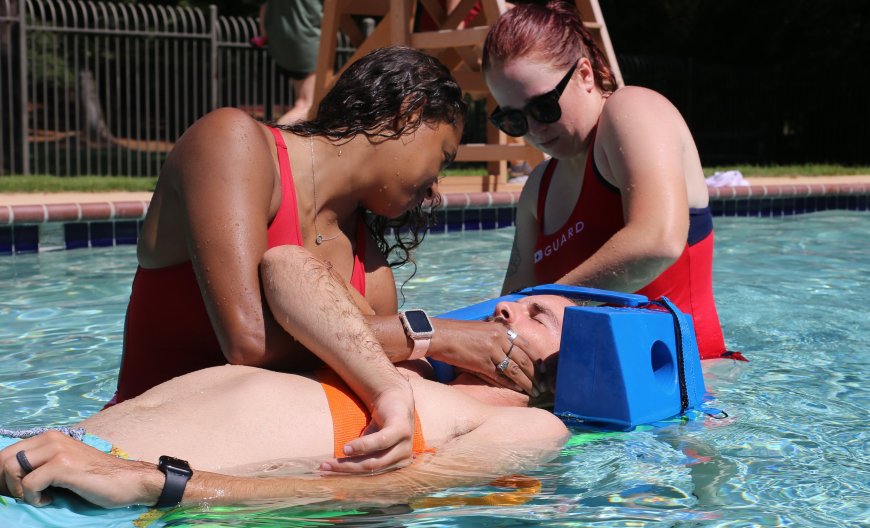
Backboarding: If spinal injury is suspected, a floating backboard is used with team coordination.
-
CPR and AED use: Lifeguards initiate resuscitation immediately. Many public facilities now have AEDs on-site.
-
Victim monitoring: Even conscious victims are monitored for shock, water inhalation, or secondary drowning symptoms.
What sets ALA-trained professionals apart is their calm, disciplined chain of command. Whether operating solo or in a team, each action is part of a practiced protocol.
A Sport of Heroism: Lifesaving as Athletic Discipline
Beyond emergency scenarios, lifeguarding has a competitive side. Around the world, lifeguards participate in lifesaving sports, combining sprint swimming, rescue simulations, paddleboarding, and even obstacle courses in high-intensity competitions.
The American Lifeguard Association supports this culture, encouraging guards to treat their role like a professional athlete would: with discipline, training, and a drive for excellence.
Notable competitive events include:
-
Rescue Tube Race
-
Beach Flags
-
Ironman Lifeguard Challenge
-
Simulated Emergency Response Competitions
These contests foster camaraderie and elevate lifesaving from duty to dynamic sport.
Technology & Evolution: Modern Tools in Rescue
While raw skill remains irreplaceable, technology plays an increasing role in modern lifeguarding.
ALA-backed programs now train guards on:
-
Drones for surf scanning
-
Rescue robots for fast flotation deployment
-
Wearable alert systems for real-time team communication
-
Mobile AED units
But no matter the gadget, the heart of a rescue remains human. Its the lifeguards resolve, instinct, and training that saves lives.
The American Lifeguard Standard
The American Lifeguard Association continues to redefine what it means to be a lifeguard. With a blend of elite sport discipline and public safety mission, ALA doesnt just certify lifeguardsit shapes them into role models, first responders, and community leaders.
Whether on the beach, at the pool, or in high-stakes competitive events, an ALA-certified lifeguard stands for professionalism, performance, and preparedness.
Their motto might as well be: Every second counts, every life matters.
Final Thoughts
Water rescues are not acts of chance; they are the result of elite training, situational awareness, and rapid, calculated action. The lifeguards world is one of split-second decisions, athletic endurance, and mental fortitude. It is both a calling and a craftone that the American Lifeguard Association proudly champions.