
















Vinyl Glove Market: Forecast to 2030

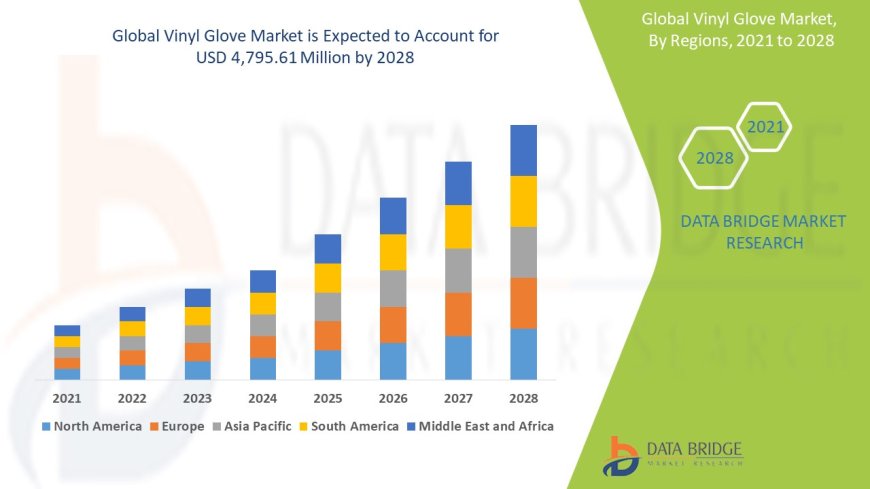
Vinyl gloves are synthetic, disposable gloves made from PVC (polyvinyl chloride) combined with plasticizers. Widely used across healthcare, foodservice, laboratories, and janitorial industries, vinyl gloves provide a cost-effective barrier against impurities. They offer protection in low-risk environments. The vinyl glove market is expanding. Demand is growing in hospitals, clinics, dental offices, food processing facilities, and beauty salons. Adoption in Asia?Pacific and Latin America is rising due to healthcare infrastructure investment and regulatory upgrades. Forecast anticipates continued growth through 2030.
The Evolution
Vinyl gloves emerged in the 1950s as an alternative to latex and rubber. Early versions lacked elasticity and tear resistance. Surgeons and healthcare workers preferred them for low-risk tasks. Development continued. Plasticizers such as DEHP, DINP, and DOTP improved flexibility and durability.
By the 1980s, concerns over latex allergies triggered demand for synthetic glove alternatives. Vinyl gained popularity in routine care, food handling, and cleaning sectors. Technological advancements improved film clarity, thickness consistency, and tensile strength. Production methods like continuous film dipping and dipping machines enhanced manufacturing efficiency.
By the late 1990s and early 2000s, production capacity surged in Asia, particularly in China, Malaysia, Thailand, and Indonesia. Low labor costs and favorable trade policies facilitated growth. Vinyl glove manufacturers invested in automation, cleanrooms, and quality assurance to meet healthcare standards.
By the 2010s, food safety and regulatory pressures increased demand for food?grade vinyl gloves across food processing industries. Manufacturing processes improved to eliminate phthalate plasticizers and use phthalate-free alternatives.
Future developments aim to reduce environmental impact and explore bio?based PVC, recyclable glove production, and biodegradable additives. Advanced dipping processes and film technologies promise to enhance barrier performance and minimize waste.
Market Trends
Latex?free demand: Allergic reactions to latex proteins drive growth for vinyl and nitrile gloves.
Food safety regulations: Stricter hygiene standards globally increase vinyl glove adoption in food?processing and service sectors.
Cost pressures: Vinyl gloves remain cheapest among common disposable glove types, ideal during price?sensitive conditions such as the COVID?19 pandemic.
Surge in care services: Aging populations, chronic diseases, and outpatient care growth create demand in assisted living, home healthcare, and dental practices.
Shift towards single?use items: Infection control drives medical and service industries toward disposable PPE, bolstering glove sales.
Advancements in phthalate?free gloves: Consumer and regulatory demand encourages manufacturers to use safer plasticizers.
Asia?Pacific growth: Fast?growing regions boost production and consumption due to industrial expansion, healthcare access improvements, and rising expenditures.
Smart manufacturing: Automated processes, robotics, optical inspection systems, and traceability tools improve glove production consistency and reduce waste.
E?commerce sales: Buyers in small? and medium?sized businesses rely on online channels for glove procurement.
Sustainability initiatives: Manufacturers explore recycling programs, sustainable sourcing, and bio?PVC to reduce environmental footprint.
Stockpiling and supply chain reassurance: Healthcare institutions maintain higher glove inventories post?COVID?19, contributing to demand.
Challenges
Performance limitations: Vinyl gloves have reduced tear resistance, tensile strength, and barrier protection compared to latex and nitrile, reducing medical use.
Chemical exposure: Plasticizer migration can weaken barriers in the presence of oils, solvents, and disinfectants, compromising glove integrity.
Regulatory hurdles: PVC composition, phthalate?free claims, and food?safety regulations complicate manufacturing and supply chain decisions.
Environmental concerns: Disposal challenges due to non?biodegradability. Incineration may release toxins. Recycling infrastructure is lacking.
Price volatility in raw materials: PVC resin and plasticizer costs fluctuate with oil prices, impacting manufacturing costs and pricing.
Competition: Industry competition from nitrile gloves due to superior performance, especially under infection-control scrutiny.
Supply chain disruptions: Natural disasters, trade restrictions, and pandemics can affect glove availability, pressurizing suppliers.
Public perception: Vinyl gloves are viewed as lower-quality PPE. Medical professionals may avoid them, impacting sales.
Quality consistency: Global manufacturing variances lead to inconsistent quality. Advanced inspection and quality standards are required.
Health concerns: Some vinyl gloves contain allergens or residual plasticizers. Strict testing is necessary to ensure consumer safety.
Market Scope
Glove types:
-
Exam gloves used by clinicians
-
Food?service gloves for food handling
-
Household gloves used by janitorial staff
-
Industrial gloves for low?hazard tasks
Thickness & grade:
-
Thin gauge for tactile sensitivity
-
Mid?weight for general use
-
Food?grade, powder?free, textured surfaces
End-users:
-
Healthcare facilities (hospitals, clinics, dental offices)
-
Foodservice (restaurants, manufacturing plants)
-
Cleanrooms, laboratories, research centers
-
Industrial & automotive
-
Janitorial & cleaning
-
Personal & beauty services
Geographic regions:
-
North America: established market, strict regulations, growing food industry
-
Europe: EU workplace safety laws driving adoption
-
Asia?Pacific: fastest-growing region, increasing healthcare services
-
Latin America, MEA: emerging markets with rising demand as infrastructure evolves
Distribution channels:
-
Wholesale industrial supply
-
Medical distributors
-
Foodservice suppliers
-
E?commerce & retail marketplaces
Quality & regulation:
-
Medical gloves require FDA, CE, ISO 9001/13485 certification
-
Foodservice gloves comply with NSF, NSF H1, FDA food?contact regulations
Material innovation:
-
Phthalate-free and eco-friendly plasticizers
-
Bio?PVC, additives for degradation
-
Work on hybrid blends combining vinyl with nitrile or latex fibers
Market Size and Forecast
2024 market value: Approx. USD 2.5 billion
2030 forecast: Approx. USD 3.4 billion
CAGR (20242030): ~4.8%
Key growth factors:
-
Healthcare expansion and infection control emphasis
-
Foodservice growth and stricter hygiene regulations
-
Cost-premium trade-off favoring vinyl in non-critical tasks
-
Post-pandemic stockpiling and risk management
-
Emerging standards pushing higher-quality, safer vinyl gloves
Regional dynamics:
North America remains a stable market. US regulations and allergy awareness support vinyl use in low-risk settings.
Europe encourages sales through stringent hygiene laws in food and non-sterile healthcare applications.
Asia-Pacific expected to show largest growthtied to manufacturing expansion, urbanization, food supply chain development.
Latin America and MEA: focusing on modernizing healthcare and willingness to adopt cost-effective PPE.
Price influences: PVC resin trends largely determine costs. Production shifts to phthalate-free resin will raise prices but offer safer association.
Innovation support: grants and sustainability initiatives help offset R&D costs for greener glove lines.
Mergers & acquisitions: Industry consolidation underway with larger firms acquiring regional manufacturers to enhance distribution and capacity.
Private-label growth: Major healthcare and food-distribution companies increasingly procure vinyl gloves under private brands.
Factors Driving Growth
Cost-effectiveness: Vinyl gloves cost 3050% less than comparable nitrile gloves. Low-risk environments prioritize value.
Allergy alternative: Latex-free option preferred by allergy-sensitive users and in latex-restricted settings.
Food safety needs: Illegal or reduced plasticizer options meet stricter criteria.
Ease of supply: PVCs global availability allows resilient production and supply diversification.
Regulatory backing: OSHA, FDA, EFSA, and foodservice rules mandate gloves in specific environments.
Infection control trends: disposable PPE dominates, reinforcing vinyl glove demand.
Aging care facilities: senior and assisted-living institutions rely on vinyl for routine patient care.
Phthalate-free trends: demand for safer materials drives uptake of updated vinyl gloves.
E-commerce proliferation: easy procurement supports small business and home users.
Source: https://www.databridgemarketresearch.com/reports/global-vinyl-glove-market
Conclusion
The vinyl glove market continues to grow steadily. It covers medical, foodservice, industrial, and personal care sectors. Advantage lies in cost-effectiveness, latex-free properties, and convenience. Market challenges include performance limits and sustainability issues. Innovations in materials, eco-friendliness, and manufacturing are bridging gaps. Growth drivers include healthcare demands, food safety focus, and global regulatory frameworks. Forecast predicts market expansion to USD?3.4?billion by 2030. Relevance rests on cost leadership in low-risk PPE environments. Vinyl gloves will remain essential in hospitals, food facilities, care homes, and households worldwide.