
















Environmental Toxins and Cancer Risk
Know how everyday exposure to environmental toxins may raise your cancer risk and what steps you can take to limit harmful contact.

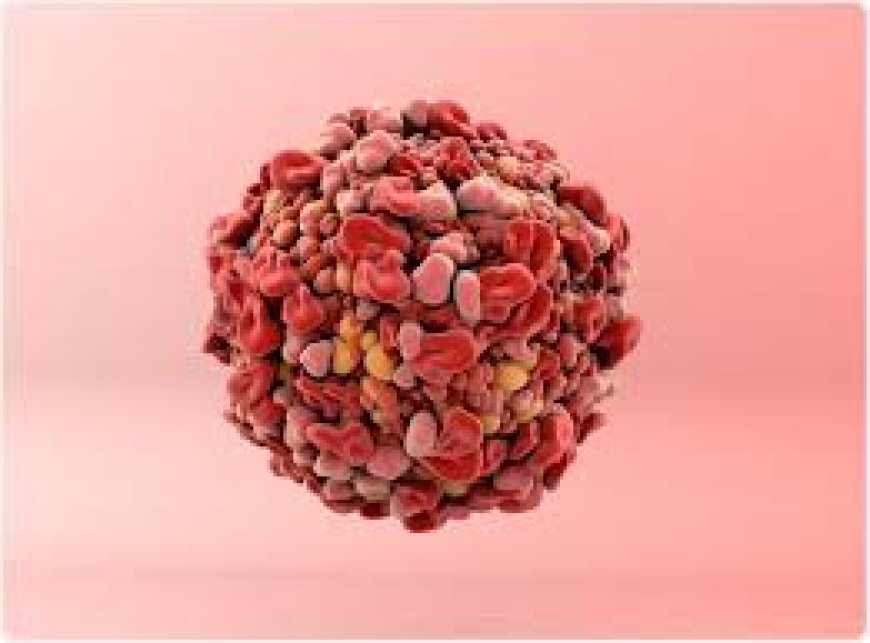
Environmental toxins are substances found in our surroundings that can harm the body. Many everyday items, such as household cleaners, industrial chemicals, and polluted air, contain harmful toxins. These substances can increase the risk of developing various types of cancer. Understanding the connection between cancer causes and environmental toxins is essential for maintaining better health.
Understanding Cancer Causes
Cancer occurs when abnormal cells in the body begin to grow uncontrollably. There are several known cancer causes, including:
-
Genetic factors: Inherited mutations that can increase cancer risk.
-
Lifestyle choices: Diet, smoking, and alcohol consumption contribute to cancer risk.
-
Environmental factors: Exposure to harmful toxins in the air, water, and products we use.
Environmental toxins, such as chemicals and pollutants, contribute to cancer risk. Over prolonged exposure, these toxins can damage cells and trigger mutations that lead to cancer.
The Role of Environmental Toxins in Cancer Risk
Some environmental toxins have been directly linked to cancer risk. Here are a few examples:
-
Industrial chemicals: Such as benzene and asbestos, are linked to lung and other cancers.
-
Cigarette smoke: It contains numerous harmful toxins that increase the risk of lung cancer and other diseases.
-
Pesticides: Used in farming, which may increase the risk of leukemia and lymphoma.
-
Air pollution: Particles from vehicle emissions and industrial processes contribute to lung cancer and other respiratory diseases.
Exposure to these toxins can occur through inhalation, ingestion, or skin contact. Over time, they accumulate in the body and increase the risk of developing cancer.
Impact on Health: Specific Types of Cancer
While many types of cancer are linked to environmental toxins, the connection is not always immediately clear. However, the following cancers have been identified as more likely to occur due to environmental toxins:
-
Lung cancer: Linked to exposure to air pollution, industrial chemicals, and cigarette smoke.
-
Leukemia: Increased risk due to pesticide exposure.
-
Ovarian cancer: Potentially linked to long-term exposure to harmful chemicals and pollutants, which may disrupt hormonal systems.
Ovarian Cancer and Environmental Factors
The connection between ovarian cancer and environmental toxins is an area of ongoing research. Here are some key points:
-
Chemical exposure: Studies suggest that chemicals found in cosmetics, cleaning products, and pesticides may contribute to the development of ovarian cancer.
-
Hormonal disruption: Toxins may alter hormonal levels, leading to changes in reproductive health.
-
DNA damage: Prolonged exposure to environmental toxins can cause genetic mutations that lead to cancer.
While more research is needed, its clear that reducing exposure to harmful substances in the environment can lower the risk of ovarian cancer.
Conclusion
Environmental toxins significantly contribute to cancer risk. Many common substances, including industrial chemicals, pollution, and pesticides, are linked to various cancers, including ovarian cancer. Understanding how these toxins affect the body and taking steps to limit exposure is vital for reducing cancer risk. It is important to adopt preventive measures and stay informed about the environmental factors that can harm health. Awareness and precaution can lead to a healthier, safer environment for future generations.