














Essential Clothing for Cold Weather Layering


When the temperatures drop and winter approaches, staying warm and comfortable becomes a priority. However, simply wearing bulky outerwear isnt always enough or practical. The key to effective cold-weather dressing lies in Essentials Clothingstrategically combining different clothing pieces to maximize insulation, regulate temperature, and maintain mobility. Proper layering not only keeps you warm but also allows flexibility to adapt to changing conditions, whether youre commuting, engaging in outdoor activities, or simply enjoying winter leisure.
In this comprehensive guide, well explore the essential clothing items for cold weather layering, how to assemble an effective system, and tips to optimize your winter wardrobe for warmth, comfort, and style.
The Principle of Layering
Layering involves wearing multiple garments in a specific order to trap heat, wick away moisture, and protect against the elements. The typical layering system consists of three main layers:
- Base Layer:Closest to the skin, designed to wick moisture away and keep you dry.
- Mid Layer:Provides insulation to retain body heat.
- Outer Layer:Shields against wind, rain, and snow.
Each layer has a distinct purpose, and selecting the right clothing items for each is vital for effective cold-weather dressing.
Essential Clothing for Each Layer
1. Base Layer: Moisture-Wicking and Comfort
Purpose: To keep sweat away from the skin, preventing chills and maintaining dryness.
Key Pieces:
- Thermal Underwear:Made from synthetic fibers like polyester or nylon, or natural fibers like merino wool, thermal underwear forms the foundation of your layering system.
- Merino Wool Base Layers:Renowned for their warmth, breathability, and odor resistance, merino wool base layers are a top choice for cold climates. Brands like Icebreaker, Smartwool, and Uniqlo offer high-quality options.
- Synthetic Base Layers:Often more affordable, these are lightweight and quick-drying, suitable for active pursuits.
- Silk or Fine Cotton (less common):For mild cold or casual wear, silk or fine cotton can serve as a comfortable base, though they offer less moisture management.
Tips:
Choose fitted, seamless designs for comfort and minimal chafing. Layering multiple thin base layers can be more effective than a single thick one.
2. Mid Layer: Insulation and Heat Retention
Purpose: To trap body heat and provide insulation.
Key Pieces:
- Fleece or Wool Sweaters:Fleece offers lightweight warmth and dries quickly, while wool sweaters provide excellent insulation.
- Down or Synthetic Insulated Jackets:For colder conditions, packable down jackets or synthetic insulated layers provide high warmth-to-weight ratios.
- Insulated Vests:Great for core warmth while allowing freedom of movement and breathability.
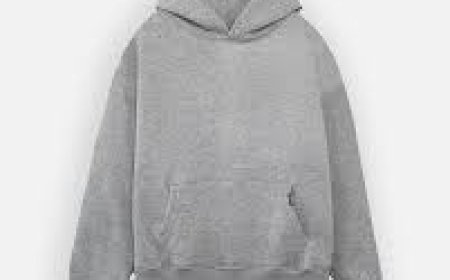
- Fleece Hoodies or Pullovers:Versatile and comfortable options for casual wear and layering.
Tips:
Opt for breathable mid layers that can wick moisture if you become active. Layering a fleece over a merino base is a popular combination.
3. Outer Layer: Protection Against Wind, Rain, and Snow
Purpose: To shield you from external elements while allowing moisture from sweat to escape.
Key Pieces:
- Shell Jackets:Waterproof, windproof jackets made from materials like Gore-Tex, eVent, or similar fabrics protect against rain and snow.
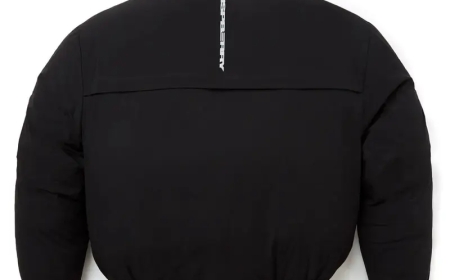
- Insulated Outerwear:Combining insulation with weatherproofing, these jackets are ideal for very cold, wet conditions.
- Rain Pants and Windbreakers:Additional protection for legs and arms, especially during active pursuits like skiing or hiking.
- Hats, Gloves, and Scarves:Essential accessories that complete your outer protection layer.
Tips:
Look for adjustable hoods, sealed seams, and ventilation options for comfort. Layering a waterproof shell over your insulating layer ensures dryness without overheating.
Additional Essential Clothing Items for Cold Weather Layering
While the three primary layers form the backbone of cold-weather dressing, certain clothing items are indispensable for comprehensive protection:
- Thermal Socks:Wool or synthetic socks that wick moisture and insulate feet.
- Winter Boots:Insulated, waterproof boots with good traction for snowy or icy conditions.
- Balaclavas or Neck Gaiters:Covering your face and neck for added warmth.
- Insulated Gloves:Choose gloves with moisture-wicking linings and waterproof shells for maximum protection.
Building a Versatile Cold Weather Wardrobe
The goal is to assemble a wardrobe that offers flexibility, allowing you to adapt to varying winter conditionsfrom chilly mornings to snowy hikes or urban commutes.
Core Pieces to Invest In:
- Merino wool base layers (top and bottom)
- Lightweight fleece or wool mid layers
- Waterproof, windproof shell jackets
- Insulated down or synthetic jackets
- Thermal socks and waterproof boots
- Warm accessories like hats, gloves, and scarves
Mix and Match:
Combine these items based on daily activities and weather forecasts. For instance, on milder days, a single fleece and shell may suffice, while colder days require multiple insulating layers.
Tips for Effective Layering
- Fit is Key:Ensure each layer fits comfortably without restricting movement or causing bunching.
- Choose Breathable Fabrics:To prevent moisture buildup, select materials that wick sweat away from the skin.
- Adjust as Needed:Be prepared to add or remove layers depending on activity level and weather changes.
- Prioritize Quality:Investing in durable, high-quality pieces ensures better insulation, longer lifespan, and greater comfort.
- Layer Smart:Dont overpack layers; a well-fitted, functional system is more effective than multiple bulky items.
Conclusion
Effective cold weather layering is an Essential Hoodieart that combines the right clothing items with strategic thinking. By understanding the purpose of each layerbase, mid, and outeryou can build a versatile wardrobe that keeps you warm, dry, and comfortable in winters harshest conditions. Investing in quality pieces like merino wool base layers, insulating mid layers, and weatherproof outer shells ensures youre prepared for anything winter throws your way.
Remember, the key to successful layering is flexibility. With the right clothing essentials and a thoughtful approach, you can enjoy winter activities and daily commutes with confidence, warmth, and style.