
















The Importance of Office Table Design in Today’s Work Culture

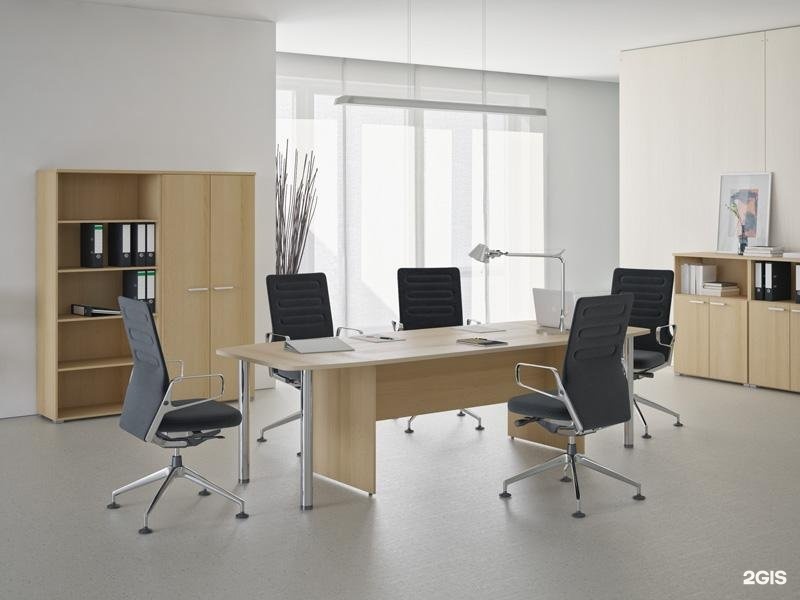
In the modern business landscape, office table design has evolved far beyond a simple surface to work on. It plays a crucial role in how employees engage with their tasks, interact with their colleagues, and even impacts productivity and mental well-being. Whether you're designing a startup environment, a home office, or a corporate headquarters, the right office table can influence both the aesthetic and functional elements of the workplace. Businesses are now prioritizing ergonomic furniture, space optimization, and style as they reimagine what a work desk should provide.
A well-thought-out office table design contributes to posture correction, smooth workflow, and a clutter-free environment. The layout and design of an office table can affect communication and collaboration. For example, open-plan desks with collaborative spaces can foster teamwork, while private cubicle setups can aid in focused, independent work. Organizations must now consider how design encourages specific behaviors that align with their work culture and values.
Key Elements That Define Great Office Table Design
Great office tables are not just built for functionthey are carefully curated for user experience. There are several components that elevate a design from basic to exceptional. The first is ergonomics, which ensures that the table accommodates the users body posture, minimizing the risk of musculoskeletal problems. Ergonomic designs often include adjustable heights, keyboard trays, and enough leg space. Then comes aesthetic appeala design that aligns with the companys brand personality, whether its minimalistic, industrial, or luxurious.
Storage is another integral aspect. Built-in drawers, cable management systems, and modular shelving ensure that the desk remains organized and efficient. Materials also make a statement. Wood continues to be a timeless choice due to its durability and warmth, while metal and glass are favored for sleek, modern aesthetics. Increasingly, companies are also leaning toward eco-friendly materials to reflect sustainable values.
Trending Office Table Designs in 2025
As we step deeper into the era of hybrid work models and digital workspaces, office table design is seeing several new trends. Standing desks and sit-stand convertible tables have gained significant popularity. These allow employees to alternate between sitting and standing throughout the day, promoting better health and engagement. Modular tables that can be reconfigured according to team size or function are becoming common in co-working and agile workspaces.
Minimalist designs featuring clean lines, hidden compartments, and neutral colors are also trending. These give an uncluttered look and make small spaces appear more expansive. Tech-integrated desks are another innovation. These tables have built-in wireless charging pads, USB ports, and even digital assistant integration for voice-activated tasks. These innovations are not just limited to large companiesmany home offices are embracing the same for added convenience and sophistication.
Choosing the Right Office Table for Different Needs
Selecting the right office table design begins with understanding the purpose it is intended to serve. For executive offices, larger L-shaped desks with storage cabinets and premium finishes such as walnut veneer or matte metal may be ideal. These not only offer functionality but also convey authority and professionalism. For collaborative team zones, shared worktables or round conference tables promote discussion and creativity. These designs encourage eye contact and ease of access during brainstorming sessions or presentations.
In contrast, individual workstations need to focus more on privacy and personal comfort. These could include cubicle desks with partition panels, especially if the work requires high levels of concentration. For remote workers, compact yet stylish desks with foldable features or mounted shelves make the most of limited space at home. Educational institutions and training centers can benefit from desks that offer versatility and mobilitytables with wheels, adjustable tops, and stackable features serve such environments well.
Custom Office Table Designs for Brand Identity
Incorporating brand identity into office table design is an emerging strategy to create a unique workspace that reflects the businesss mission and values. Customized office furniture can integrate specific colors, logos, and thematic design elements to reinforce the companys image. For instance, a creative agency may prefer unconventional shapes, bold colors, and mixed materials to communicate innovation. In contrast, a legal or financial firm might opt for rich woods and elegant lines to convey trust and reliability.
Bespoke furniture solutions also allow for better space management. Companies can create custom-built desks that fit awkward spaces, maximize storage, or support specific equipment setups. From reception counters to workstation clusters, tailoring designs according to operational needs ensures that the furniture not only looks good but works effectively for employees.
The Future of Office Table Design: Flexibility, Sustainability, and Technology
Looking ahead, the future of office table design is being shaped by three main pillarsflexibility, sustainability, and technology. As workplaces continue to shift toward hybrid and remote models, flexible furniture that supports both in-office and remote work is in high demand. Tables that are mobile, adaptable, and easy to disassemble offer the agility required in evolving office environments.
Sustainability is no longer optional. Eco-friendly furniture made from recycled materials or responsibly sourced wood is being increasingly sought after. Certifications such as GREENGUARD or FSC (Forest Stewardship Council) are becoming deciding factors for conscientious buyers. Finally, with the integration of smart technology, office tables will soon come equipped with IoT-enabled devices for energy efficiency, user customization, and productivity analytics.
Conclusion
A well-planned office table design can dramatically influence the functionality and ambiance of any work environment. Whether youre designing for corporate executives, creative teams, or remote professionals, choosing the right office table requires a balance of aesthetics, ergonomics, and purpose. As work styles evolve and new technologies emerge, furniture must adapt to provide solutions that are not only visually appealing but also enhance productivity and well-being. When looking to furnish your space with quality and intention, Office furniture provides expertly crafted options that blend modern design with practical innovation.