














Isotretinoin Before and After: Achieving Clear Skin
Acne is one of the most common and frustrating skin conditions, affecting people of all ages. For those dealing with severe, cystic, or treatment-resistant acne

Acne is one of the most common and frustrating skin conditions, affecting people of all ages. For those dealing with severe, cystic, or treatment-resistant acne, Isotretinoin 20mg(commonly known by its former brand name, Accutane) is often considered a last resortbut its also one of the most effective.
If youre considering isotretinoin or already taking it, you might be wondering what the before and after looks like. How long does it take to see clear skin? What changes should you expect? What are the side effects? This article explores everything you need to know about achieving clear skin with isotretinoin.
What Is Isotretinoin?
Isotretinoin is a powerful oral retinoid derived from vitamin A. It works by:
-
Reducing sebum (oil) production
-
Shrinking sebaceous glands
-
Preventing clogged pores
-
Reducing inflammation
-
Killing acne-causing bacteria
It treats severe nodular or cystic acne and cases that havent responded to antibiotics or topical medications. A typical course lasts 4 to 6 months, though durations vary based on acne severity and dose. You can buy accutane online from dosepharmacy and Get 5% OFF! Use code FLAT5 at checkout and save on your purchase today.
Before Isotretinoin: What to Expect
1. Evaluation and Lab Tests
Before starting isotretinoin, your dermatologist will assess whether you're a good candidate. This typically involves:
-
A review of your acne history and past treatments
-
Blood tests to check liver function and cholesterol levels
-
A pregnancy test (for women), as isotretinoin is highly teratogenic
You'll also need to commit to monthly follow-ups and bloodwork during the course.
2. Understanding the Risks
Before you begin, your doctor will explain the side effects and precautions, which may include:
-
Dry skin and lips
-
Increased sun sensitivity
-
Mood changes (rare)
-
Joint pain
-
Possible birth defects if taken during pregnancy
Most side effects are manageable with proper care.
3. Initial Acne Condition
Your starting point will likely include inflammatory acne, cysts, or nodulesoften painful and resistant to previous treatments. Many patients also report low self-esteem, anxiety, or social discomfort related to their acne.
During Treatment: The Isotretinoin Journey
1. The Purge Phase (Weeks 14)
In the first few weeks, many users experience a temporary acne flare-up, commonly called the purge. This happens as isotretinoin pushes deep-seated impurities to the surface.
Though discouraging, this is a sign the medication is working. Dermatologists usually start with a low dose to minimize this phase.
2. Side Effects Begin
The most common side effects during this period are:
-
Dry lips (cheilitis) Apply lip balm frequently.
-
Dry skin and nosebleeds Use a gentle moisturizer and nasal spray.
-
Joint aches Especially in physically active individuals.
Hydration, moisturizers, and sunscreen are essential throughout treatment.
3. Visible Improvement (Weeks 612)
By the second or third month, acne lesions typically start to flatten, and new breakouts occur less often. You may notice:
-
Fewer active pimples
-
Reduced oiliness
-
Smaller, less inflamed cysts
Many patients describe this as a turning point, when they begin to feel hopeful about clearer skin.
4. Near-Clear Skin (Months 46)
Most patients achieve dramatic improvement by the end of their course. Skin often becomes smooth, clear, and less prone to oiliness. Scarring may still be present but is easier to treat post-acne.
After Isotretinoin: Life with Clearer Skin
1. Long-Term Results
Isotretinoin is one of the few treatments that can lead to permanent acne remission. Studies show that:
-
7080% of patients remain acne-free after one course
-
A small percentage may need a second round
-
Maintenance with topical retinoids may help prevent recurrence
2. Skin Texture and Scarring
After active acne is gone, some people are left with hyperpigmentation or scarring. While isotretinoin doesnt remove scars, clearer skin allows you to start post-acne treatments like:
-
Chemical peels
-
Microneedling
-
Laser therapy
Always consult your dermatologist before starting these, as the skin may remain sensitive for 612 months post-treatment.
3. Skincare After Isotretinoin
Post-treatment skin care is all about gentle maintenance:
-
Use non-comedogenic moisturizers
-
Continue using sunscreen daily
-
Avoid harsh exfoliants
-
Reintroduce retinoids slowly if needed
Your oil glands may remain smaller, and you may notice fewer breakouts and less oily skin long after the treatment ends.
Before and After: Realistic Expectations
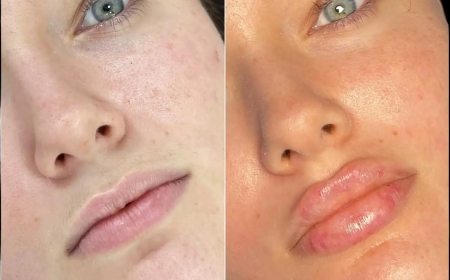
Heres what many patients report when comparing their skin before and after isotretinoin:
| Feature | Before Treatment | After Treatment |
|---|---|---|
| Acne Severity | Severe, cystic, inflamed | Mostly clear, occasional small pimples |
| Skin Oiliness | Very oily | Significantly reduced |
| Self-Esteem | Low, self-conscious | Improved confidence |
| Scarring | Often present | Easier to treat post-acne |
| Breakouts | Frequent | Rare or occasional |
| Overall Skin Tone | Red, uneven | Smoother and more even |
Tips for a Successful Isotretinoin Journey
-
Stay consistent Dont skip doses or appointments.
-
Communicate with your dermatologist Report side effects early.
-
Hydrate inside and out Drink water, moisturize, and protect your skin.
-
Be patient Clear skin doesnt happen overnight.
-
Avoid waxing or aggressive treatments Skin will be fragile during and after treatment.
Final Thoughts
Isotretinoin has transformed the lives of countless people suffering from severe acne. While the journey can include challenges like dryness, purging, and strict routines, the before and after difference is often life-changing.
Clear skin brings not just aesthetic improvement but also emotional and psychological relief. Confidence grows, social anxiety decreases, and for many, it marks a fresh start.
If youre considering isotretinoin, talk to a qualified dermatologist to evaluate your condition, understand the risks, and set realistic expectations. With proper monitoring and self-care, isotretinoin can be a safe and powerful step toward clear, healthy skin.