















How To Avoid Devastating Blunders On the Annapurna Base Camp Route
Avoid the most common and dangerous mistakes on the Annapurna Base Camp trek—from altitude sickness and poor gear choices to weather misjudgments and cultural slip-ups. Stay safe, prepared, and make your trek unforgettable.


How To Avoid Devastating Blunders On the Annapurna Base Camp Route
Annapurna Base Camp trek is a magical journey into the heart of the Annapurna range for those who are adventure seekers and love to explore; youll be surrounded by the Himalayan giants, enriched with a beautiful, unique culture, and come away with a great sense of achievement. But the journey is not without danger. Thousands of trekkers especially novices make rookie mistakes that can jeopardize their safety, comfort, and in some cases their lives. Preventing these catastrophic mistakes is key to the successful completion of a journey to the base of the world's tenth-highest mountain.
It is the attitude that trekkers cast off altitude as their adversary. At certain points, the ABC Trek reaches more than 4,100 meters (13,500 feet), which means the threat of altitude sickness is something to take seriously. Symptoms such as headaches, nausea, and dizziness can start to manifest even before climbers get to the higher camps. Its Awe-Inspiring: Many people claim ABC is easier to trek to than Everest Base Camp, but this doesnt mean that it doesnt require any acclimatization, as a lot of people assume it isnt as high. The key is to go up slowly, drink a lot of fluids, and listen to your body. The most common and dangerous mistake is heading to ?the top without proper rest days.
And then there is insufficient preparation. This encompasses inadequate physical fitness, ill-equippedness, and a lack of familiarity with the itinerary. The Annapurna region provides a blend of terrainstone staircases, forested paths, and snow-draped segments in winter. Trekkers are typically either underpack or overpack. Overpacking can be exhausting; if you underpack, you might not have everything you need, like warm clothing, waterproof bags, or first aid supplies. The time spent on training hikes and getting the right gear list is worth it; it could save you from a miserable and potentially dangerous? trek.
Navigation errors are also remarkably frequent. Although the Camp is well-traveled and marked, ?mist, snow, and traveling out of season can obscure the trail. It is risky to depend only on digital maps or apps and not have a physical map or guidebook with you. Many of those trekkers additionally overestimate their ability to do solo; in fact, having a licensed guide or other experienced companion on hand can prevent wrong turns and deal with any emergencies that arise. Not telling anybody where you are or when you will be back is another simple, preventative slip that can get you into serious trouble.
There have been deadly consequences for misjudgments of the weather in the past. Annapurna is notorious for its fast-changing weather. Morning sun can give way to snow or heavy rain by afternoon. If you dont check the forecast or get a late start, you are taking a chance of being caught in nasty weather. The 2014 Annapurna Circuit snowstorm catastrophe offers a stark reminder of how volatile the Himalayas can be.
Lastly, so many trekkers have no regard for trekking etiquette and local customs, and have negative experiences with the local communities or other trekkers. Respect for the culture, staying in approved lodges, and spending money locally enhances user experiences and helps sustain a delicate ecosystem and economy.
In summary, preventing ruinous mistakes during the Trek to Annapurna base camp just boils down to being prepared, having respect for your surroundings, and being mindful of how your body is doing. With the proper mentality, information, and supplies, you can undertake this epic trek safely and enjoyably and come away with unforgettable memories.
Underestimating Altitude Sickness
Altitude sickness is also frequently shrugged off by trekkers who believe that it only appears on extreme expeditions such as Everest. By comparison, Annapurna Base Camp is at 4,130 meters (13,550 feet), well within the danger zone. Perhaps the biggest misconception is that being physically fit means you are immune. Altitude sickness is non-discriminatory, occurring in any sex, age range, and fitness level.
As altitude increases, the amount of oxygen in the atmosphere decreases, and your body requires time to acclimate to this change. Warnings include symptoms such as headaches, nausea, insomnia, fatigue, and dizziness. Left untreated, they can progress to more severe conditions such as HAPE (fluid in the lungs) or HACE (fluid in the brain) both of which can be deadly.
Most trekkers continue even with such symptoms, for the sake of excitement or because of constrained time. This is incredibly risky. You should always listen to your body: rest if symptoms start, and descend if they get worse. Never push through altitude sickness its not a measure of toughness.
Tom explained that there are preventative measures to take - climb slowly, drink plenty of water, rehydrate, avoid alcohol, and build in acclimatising days. Drugs like Diamox can help, but they should never be the sole plan. A guide who is familiar with the symptoms of AMS can also save your life.
Altitude sickness is a flip of the coin, but not beyond your and my control. The secret is awareness, patience, and humility. By acknowledging elevation and adjusting your pace, you allow your body to have the best chances at managing it. Underestimate it, though, and your dream trek turns into a nightmare, worse, a medical emergency.
Neglecting time for acclimatization.
The most common and potentially most lethal mistake trekkers make on the Annapurna Base Camp trek is not taking acclimatization days. On account of tight schedules, ?overconfidence, or the anticipation of Base Camp, some trekkers attempt to climb too fast without giving their bodies enough time to adapt to the rarefied air.
Such a hurried signature puts one at a higher risk for AMS. These symptoms may begin to appear as low as 2,500 meters in elevation. The ABC trail sends you ascending beyond 4,000 meters, where oxygen levels plummet to 60% of sea-level conditions. Your body isnt acclimated right, ?and the whole experience can be both physically and mentally taxing and dangerous.
Acclimatization is not just doing nothing; frequently this includes going on short hikes to higher altitudes during the day?but sleeping at a lower altitude at night. This strategy, known as climb high, sleep low, allows your body to acclimatize gradually to a reduced level of oxygen.
Including one or two extra days in your itinerary might sound like a delay, but it could save you from having to turn around and come back or, worse, needing emergency evacuation instead of completing the trek safely. Better-acclimatized trekkers are not only less sick, theyre also having more fun on the trek, sleeping better, feeling more energetic, and being better mentally than someone whos been doing everything right.
Afraid of acclimatization and climbers so weak they could die from turning up the oxygen too high, they do not get along. Skipping the long process doesn't cut time on the mountain so much as it increases your risk of failure. Be kind to your body, listen to the recommended time frames, and always allow yourself time to adjust.
Carrying too much or too little gear
Annapurna Base Camp trek packing lists are a bit of a delicate balancing act; take too much stuff and youll be slowed down by the burden of weight on your shoulders. Pack too little, and you risk getting cold, wet, or caught unprepared in a remote mountain village with no easy fix.
Many a first-time trekker has made the blunder of carrying too much. What if I need it? can cause people to pack things in multiples, to bring too many toiletries, or to tote heavy electronics. This not only tires you out more, but also puts stress on your knees and back, especially up and down steep climbs. Porters, where employed, have weight limits tooheavily loaded should be 1520 kg. Overpacking could result in your having to shoulder added weight or pay for an extra porter.
Underpacking is also a problem. The weather is notoriously volatile in the Annapurna region. You might begin in warm subtropical forests and end in icy alpine terrain. Without the right layering (think: down jacket, base layers, rain gear, ?gloves, hat), you put yourself at risk of hypothermia or exposure. Footwear is another factor lots of trekkers bring ill-fitting or new boots that result in blisters and pain.
A smart pack consists of moisture-wicking clothes, a water purifier, basic first aid supplies, a headlamp, gloves, and enough cash (there are no ATMs). Be sure to carry a proper, cold-rated sleeping bag, even inside teahouses.
The objective is to be ready, not overwhelmed. Stick to an ultralight gear list that youve optimized through research, and test your gear before you leave. The proper gear can make the difference between a comfortable, ?safe trek and a miserable, risky ordeal.
Disregard of weather and other seasonal predictions
The Himalayas are notorious for changeable and unpredictable weather, and the Annapurna region is no different. Not heeding seasonal guidance ?or neglecting to consult updated weather forecasts can instead transform a picturesque hike into a treacherous ordeal.
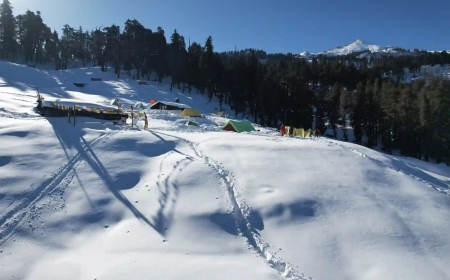
Every trekking season presents its unique set of obstacles. Highlight Seasons: Best time to visit Annapurna Base Camp. Annapurna Base Camp can be visited in spring (March-May) and autumn (September-November) as the weather during these months remains clear and stable. And even during the windows, conditions can change a surprise snowfall, heavy rain, or fog can ruin plans. Trekking in monsoon (June to August) or winter (December to February) demands some special preparation, which many cut-rate trekkers do not bother with, having no proper gear or contingency plans.
Some hikers, overly fixated on the idea of sticking to the plan, disregard local warnings and push forward into dangerous terrain. This is extremely risky. Crevasse hidden by a snow-covered trail or avalanche. Rain turns paths slick and prone to landslides. And fog can all but eliminate visibility, making it easier to lose track of where you are.
Check the daily forecasts with reliable resources like local guides, teahouse owners, and weather apps. Be prepared to change your route, postpone your departure, or alter your plans if conditions become unfavorable. Its nice to have a buffer day in your itinerary.
In the end, the mountains will do what they please; all you can control is how prepared you are. Respecting the weather is not a sign of weakness; its a sign of a smart, experienced trekker.
Skipping Physical Training Before the Hike
Annapurna Base Camp trek is largely underrated for how tough and challenging it can be. It is not a technical climb, but the route includes steep ascents, long descents, and multi-day exertion at high altitude. Failing to respect this challenge particularly when you dont have prior trainingu2019 will make what should be an awe-inspiring experience into a physical battle.
Youll be walking 5 to 8 hours a day, ascending and descending 1,000 meters of elevation gain up stone steps or rocky paths. This is no walk in the park? its an endurance feat. Those who come untrained frequently suffer knee pain, become breathless, wear their muscles out, or even injure themselves early on.
To prepare, establish a fitness routine no later than?6-8 weeks before your departure. Add in some cardio, such as running, swimming, or biking, and long walks with a loaded pack as a routine. Stairs or steep hill walking are particularly good to replicate the conditions of the trek. Strength training for your legs, back, and core will also keep you holding your pack comfortably.
Then there is the psychological part of it. Bad weather, fatigue, and altitude can test your patience and resolve. Mental resilience enables you to remain calm and focused in the face of adverse circumstances.
Being physically fit isnt just good for getting through the trek its good because it makes the trek enjoyable. The fitter you are, the more energy and awareness youll have to enjoy the spectacular views, connect with other trekkers, and appreciate the sense of accomplishment when we reach Annapurna Base Camp.
Insufficient Money?(No ATMs on Trail)
One of the most common and significant oversights on the Annapurna Base Camp trek is not having cash on hand. Unlike cities such as Kathmandu or Pokhara, once you are in the trekking region, there are no ATMs or secure digital payment facilities. In many of the remote villages and teahouses, cash is the only way to pay for things, so youll need to bring with you all of the Nepalese Rupees youll need.
Trekking costs cover meals, accommodation, hot showers, electronic charging, snacks, tips for guides and porters, and occasionally unforeseen fees such as gear repairs or medication. Altitude precipitates transportation problems, and prices rise as the altitude gains.
Daily expenses are often estimated too low or without padding for emergencies, and by the time youre halfway through your trek, you may find yourself running out of cash. This can lead you to skip meals, do without important services, or feel stressed when you cant afford transportation or housing. Its a good idea to budget a minimum of NPR 3,0004,000 per day, or more according to your style and comfort, and to carry a reserve for emergencies.
To stay safe, stash your cash in multiple secure locations in your backpack, on your body, and in a money belt so if its lost or stolen, you still have enough to get you by. It is important to plan for cash withdrawals in Pokhara, or even Kathmandu, before heading out on trek, given the impossibility of replacing funds once you are out there.
The upshot is that cash is your trail line. This is something that you cannot take lightly or have too little of. Get ready, carry lots, and hike without a care.
Not Eating Or Drinking Right
Hydration and nutrition. One of the key factors on the Annapurna base camp trek is hydration and nutrition, but many trekkers undermine these two fundamental principles. Your body sheds water more quickly at high altitude due to the product of increased breathing rate and sweating, and the cold and dry air suppress feelings of thirst. Dehydration thickens your blood and lowers your ability to transport oxygen, making altitude sickness more likely.
3-4 liters of water intake is suggested for individuals to simply keep their bodies hydrated. Additional must-haves are a refillable water bottle (you can refill using tea houses or water purification tablets, or filters. Cut out alcohol and limit caffeine, which both dehydrate and make altitude symptoms worse.
And you need to eat enough calories. When youre trekking at high altitude, your body burns more energy, but you might not feel as hungry. Consume carbohydrate-rich food such as rice, potatoes, lentils?and bread because they give you instant energy, which is also easily available on the trail. Regular eating, even in small quantities, provides additional strength and may help acclimate.
Due to a lack of proper nutrition and hydration, you may be very weak, feel dizzy, and even get altitude sickness. It also suppresses your immune response, making you more vulnerable to illness.
The long and short of it is, youre only as good as what you put into your body, and if you do not hydrate properly on the trail, you will suffer the consequences one way or another. Give your food and water the same consideration as your gear, ?if not more, for the perfect and fun treks!
Inadequate Shoes or Clothing
Selecting the right shoes and attire for the Annapurna Base Camp trek is crucial for comfort, enabling you to stay safe and to increase your chances of finishing the trail. It is a common mistake that people make, which can spoil the enjoyment.
You'll need strong waterproof hiking boots and good ankle support for footwear. Some lightweight running shoes, ?or even trail runners, may feel good initially, but they don't provide the protection you need from rocky paths, mud, and sporadic weather. Poorly fitted boots give you blisters and sore feet, slowing you down and raising injury risk.
Wear as much as you can carry, but dont forget to layer and keep it versatile! Temperatures can fluctuate wildly from warm afternoons in the lower forests to freezing nights near Base Camp. To stay adaptable, invest in moisture-wicking base layers, ?insulating mid-layers (fleece, down jackets), and waterproof shells. Avoid cotton, as it holds on to moisture and cools the body.
You will need extras: hats, ?gloves, and good socks. Wearing a buff or a scarf can help keep dust off your face and legs and block the cold wind.
Without proper clothes, you risk hypothermia, sunburn, or just a miserable day in the woods. Thats where the right gear comes in, which will keep you dry, comfortable, and protected, so you can focus on the spectacular scenery and not your discomfort.
Break in your boots, and wear and experiment with your clothing in comparable conditions before you go, so you have no surprises on the trail.
Going Trekking Without Telling Anyone
Trekking solo in the Annapurna region is a rewarding and peaceful experience, but its not without risk, particularly if you dont tell anyone what you are doing. One of the most common errors a solo trekker can make is not letting friends, family, or guides know of their planned itinerary or regular check-in points.
The Annapurna Base Camp trek is wild and remote, with game?trails following the course of snaking rivers, uneven paths, and wildlife encounters as you ascend and descend in a climatic roller-coaster ride where weather changes by the hour. Anything from injuries, to altitude sickness to simply getting lost can happen to anyone, regardless of their experience level in the outdoors. No one can find you or help you if no one knows where you are.
Always check in and get the required permits at a ranger station before heading out solo. Let someone you trust know where youll be on any given day and when. Bring a phone with a local SIM card and a fully charged power bank -- just in case.
But whether or not you like to be alone, consider hiring a guide or porter for an extra margin of safety and local savvy. They can provide navigational and translation aid, and if need be, emergency assistance.
Those on a single trek with no support or mode of communication are more at risk. If you have planned and have communication strategies that let others know where you are, you keep yourself safe and are free to enjoy hiking solo the way it should be, without worries.
Ignoring local advice or trail?signs
Not listening to local advice or going against trail signs on the Annapurna Base Camp trek is not something to take lightly. Local guides, teahouse?owners, and locals know the mountains intimately they know how the weather works, they know the trail, they know what the obvious and not-so-obvious dangers are.
Occasionally, trekkers disregard guidance about weather forecasts, alternate routes, or required rest days. They might not pay attention to warning signs about hazardous areas, landslide zones, or avalanche danger. This can result in getting lost, an injury, or even worse.
Trail signs and symbol readings are also key point indicators to get from pack hikes to touring off-trail. Accidents and damage to fragile ecosystems can be avoided by sticking to tried-and-tested routes in poor visibility or difficult terrain. If you ignore them, you might wander into shady places?(or not-so-shady places).
If you respect local advice, then that is a mark of cultural sensitivity ?and good trekking. It also builds trust and goodwill with communities along the trail, who ultimately support the safety and well-being of trekkers.
Educate yourself about local conditions, bring gear for extreme weather, and be prepared to change your itinerary based on the current weather, trail, or water conditions. Not only does opening up to local knowledge keep you safe, but it also ensures that you have genuine encounters and genuinely learn.
Youre unnecessarily putting yourself at risk by disregarding these resources. The mountains are to be respected, and local knowledge is one of your most important weapons.
What is the most difficult part of the Annapurna Base Camp trek?
One of the toughest bits of the Annapurna Base Camp (ABC) trek is generally regarded as the last push from Deurali (about 3,200m) to the Base Camp itself at 4,130m. This part is a pretty steep, unrelenting climb on a rocky path, and can be tough on your body because you're gaining a lot of altitude in not too much horizontal distance. The air gets thinner at high elevation, making it less able to breathe, also contributing to fatigue. Also, it becomes difficult for some trekkers when they come across between Chomrong and Bamboo sections for their long stair climb and rocky paths. And weather, like unexpected rain or the cold, can complicate things. Mental toughness and pacing are key in these sections, as it is easy to wear yourself out or get altitude sickness.
What is the Annapurna Base Camp trek death rate?
The Annapurna Base Camp trek is recognised as much safer than treks to the Jungles of Everest. Precise fatality statistics are not publicly and systematically reported; however, deaths on this expedition are rare if proper precautions are taken. Most accidents are caused by complications of altitude sickness, slips, falls, or sudden, weather-induced events, like avalanches or landslides. Death rates for all trekking in the Himalayas in Nepal are low; perhaps one-tenth of 1 percent (or 1 out of 1,000 trekkers has died), and ABC is a safer route than some popular alternatives. However, irresponsible acclimation, lack of preplanning, and trekking in hazardous weather can only increase your chance of risk. Hiring experienced guides and paying attention to health is critical to reducing your risk exposure.
Preparation for Annapurna Base Camp. Leading up to the hike?
Training, what gear to take, and how to schedule for Annapurna Base Camp. Begin training at least 68 weeks before your trek with an emphasis placed on cardiovascular endurance (running, cycling, swimming), strength training (especially legs and core), and hiking with a loaded backpack. Acclimatization is everythingearn your itinerary with rest days and slow altitude gain. Spend money on good trekking gear: waterproof hiking boots, clothes you can layer, a sleeping bag that can keep you warm, and a trusty backpack. You should be practicing these eating and drinking habits, describing what you will do when race day arrives. Also, obtain required permits (TIMS card and Annapurna Conservation Area Permit), organise your transportation to and from Pokhara, and possibly insurance that would cover you for high-altitude trekking. Mind preparation is important as well be prepared for physical hardships, inclement weather, and elevation sickness. Finally, get to know the footsteps, local traditions, and safety plans on your route.
How difficult is Annapurna Base Camp?
The Annapurna base camp trek is considered moderate to moderately difficult. It is readily accessible to trekkers with moderate fitness and gumption, however requires endurance, good acclimatization, and preparation. The hike takes around 7 to 12 days to complete, and daily walking times range from 4 to 8 hours, over uneven and at times steep paths. Altitude plays a role in the competition, with the highest point topping over 4,000 meters, where oxygen levels are very low. Marathon des Sables has tested physical and mental strength through weather changes, river crossing, and rocky trails. Although no technical climbing is required, the length and elevation of the trek can be challenging for those who are just starting. The majority of those who prepare well and go at their own pace do reach the end, however, and also discover stunning views of mountains and rewarding cultural experiences.